
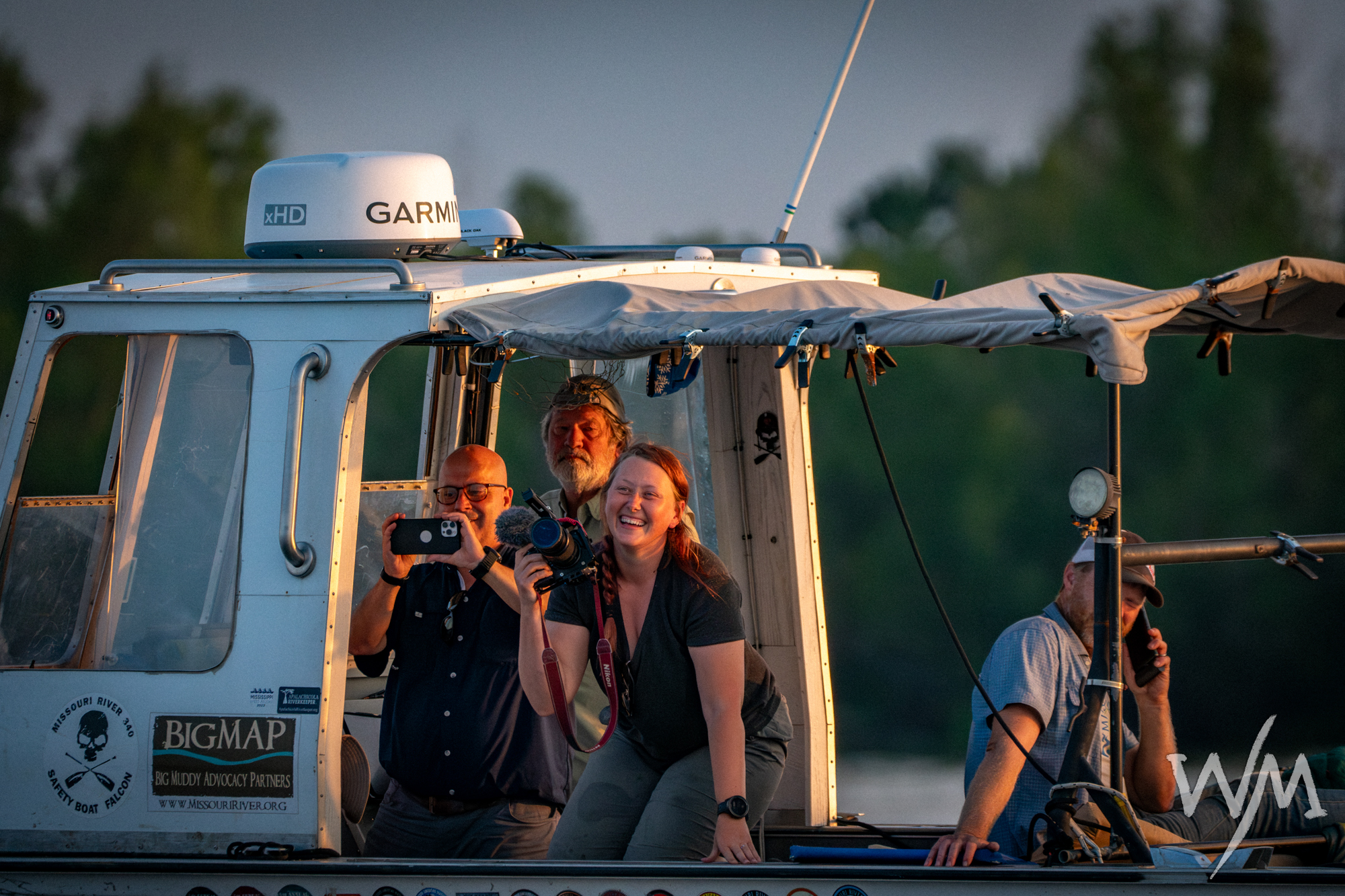
THIS GUEST BLOG WAS CONTRIBUTED BY WILDERNESS MINDSET, AN OUTDOOR PRODUCTION COMPANY LED BY HUSBAND-AND-WIFE TEAM ALEX MAIER AND AMY ROBIN. THEY HAVE been part of not one but two record-breaking expeditions on the Mississippi River. Their documentary films—available across multiple platforms—offer inspiring tributes to the human spirit and to the enduring nature of the River itself. Alex and Amy experienced the Mississippi in a way few ever will. This is their story.
When we created our outdoor/adventure filmmaking company, Wilderness Mindset, in 2021, we had no idea that it would lead us to getting to know the Mississippi River on such an intimate level.
We were hikers, living in Montana after all, with very little paddling experience and honestly, not a lot of interest in paddling or the Mississippi River. We are a husband and wife team, Alex Maier and Amy Robin. Our company had a mission to document outdoor adventures and explore the relationship that people have with the wilderness and the lessons they learn during their long trips. Our motto is “when you explore the wilderness, you take a look within.” That belief led us to our first completed documentary on the Mississippi River.
Dale “Greybeard” Sanders invited us to help film a documentary about his Guinness World Record-breaking trip down the Mississippi River at 87 years old. There was no way we’d turn an opportunity like that down. We had previously worked with Dale before, when we interviewed him for a different documentary project called Mind, Body, Soul: The Nature of Well-being. One project always seems to lead to the next one in this industry, and a couple of years later, we found ourselves in a canoe with our two dogs and all of our camera gear, following Greybeard through the headwaters of the Mississippi River. Did I mention we were not experienced paddlers?
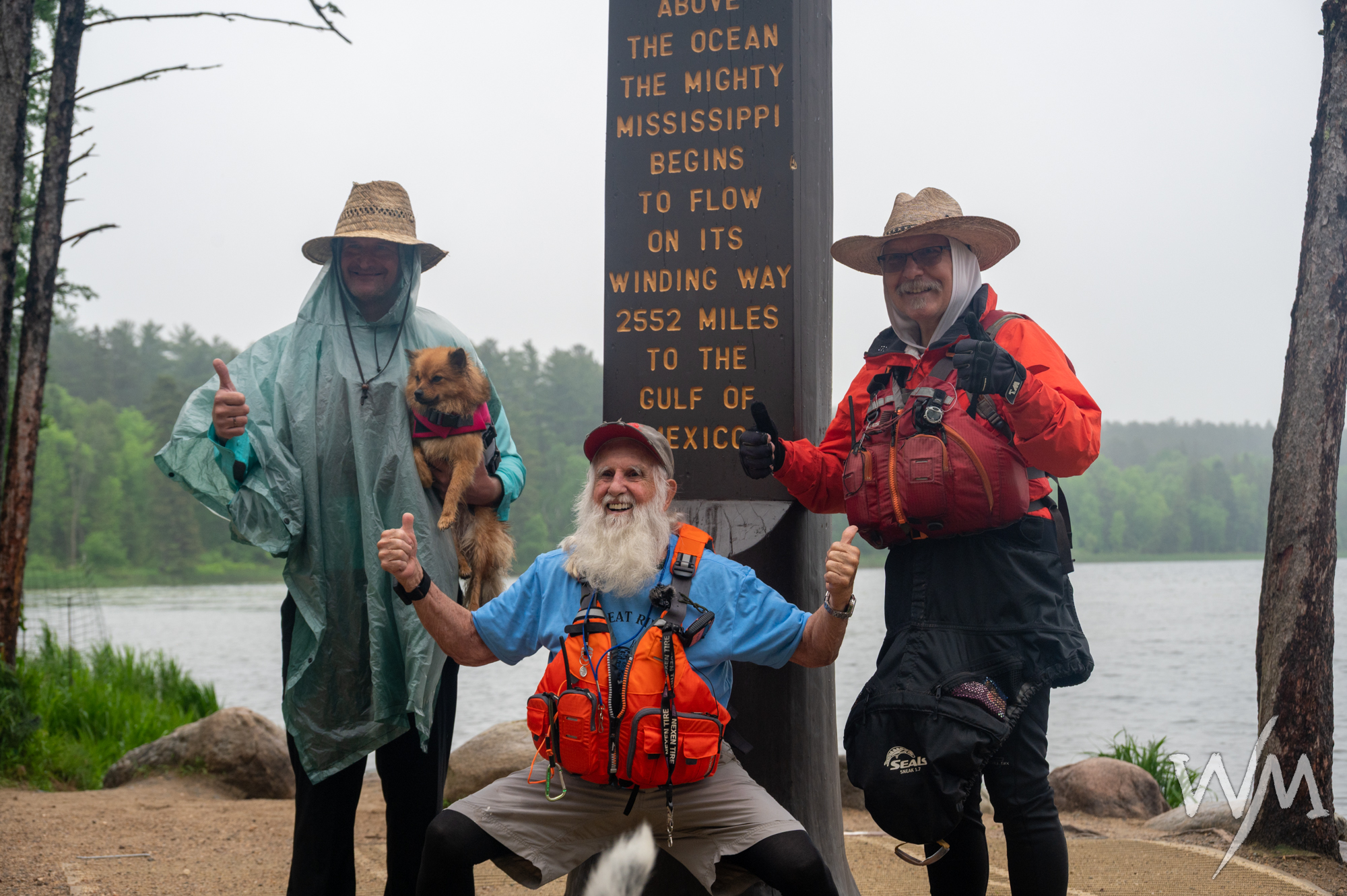
Dale was a good teacher, and we learned quickly while we filmed the first 5 days of his trip from the canoe. Having almost no experience of the Mississippi River before this trip, it was surprising how small and remote the headwaters of this mighty river were. It’s no more than 10 feet across at places up there in Northern Minnesota, and you get that remote wilderness solitude that we love finding on our backpacking trips.
Once we reached Lake Winnibigoshish, the largest lake on the Mississippi River, we decided that was well outside of our skill level. We were lucky enough to get a ride on a fishing boat that shadowed Greybeard and two other paddlers across the lake. Matt Briggs and Dan Faust agreed to paddle with Dale the whole way down the River in their own canoes.
After that, we had to go back home to Montana. We were working with a couple of other filmmakers, Zak Rivers and Kyle Johnson. None of us would be able to follow Dale’s journey the whole time, so we took turns returning to the river throughout the summer as we documented his 87-day trip down the whole Mississippi River.
Every time we returned to the river, we were further south, and the river had changed drastically. It got wider and muddier. Sometimes there were major metropolitan areas on the river banks, sometimes it was just as remote as it was in Northern Minnesota, only the river was a mile wide instead of 10 feet.
For the last trip, we all went down to Venice, Louisiana, the last town on the Mississippi River, to see Dale and the other paddlers finish. Down there felt like being in a different country. The climate was hot and humid, and the flora and fauna were unfamiliar to us northerners. The sunsets were stunning, and the people were warm and friendly.
There were about 30 people on various watercraft that followed Greybeard to the saltwater. It was a very exciting moment watching him complete his 2,340(ish)-mile journey and set a new Guinness World Record as the oldest person to ever paddle the river.
Our documentary about this trip is called “Greybeard: The Man, The Myth, The Mississippi.” It’s available on Amazon Prime, many other streaming platforms, and on DVD. Visit our website to learn more about where you can watch it, WildernessMindset.com
That was just our first experience with the Mississippi River. Little did we know that we would be back and we would get a much more intimate experience with the river just a year later.
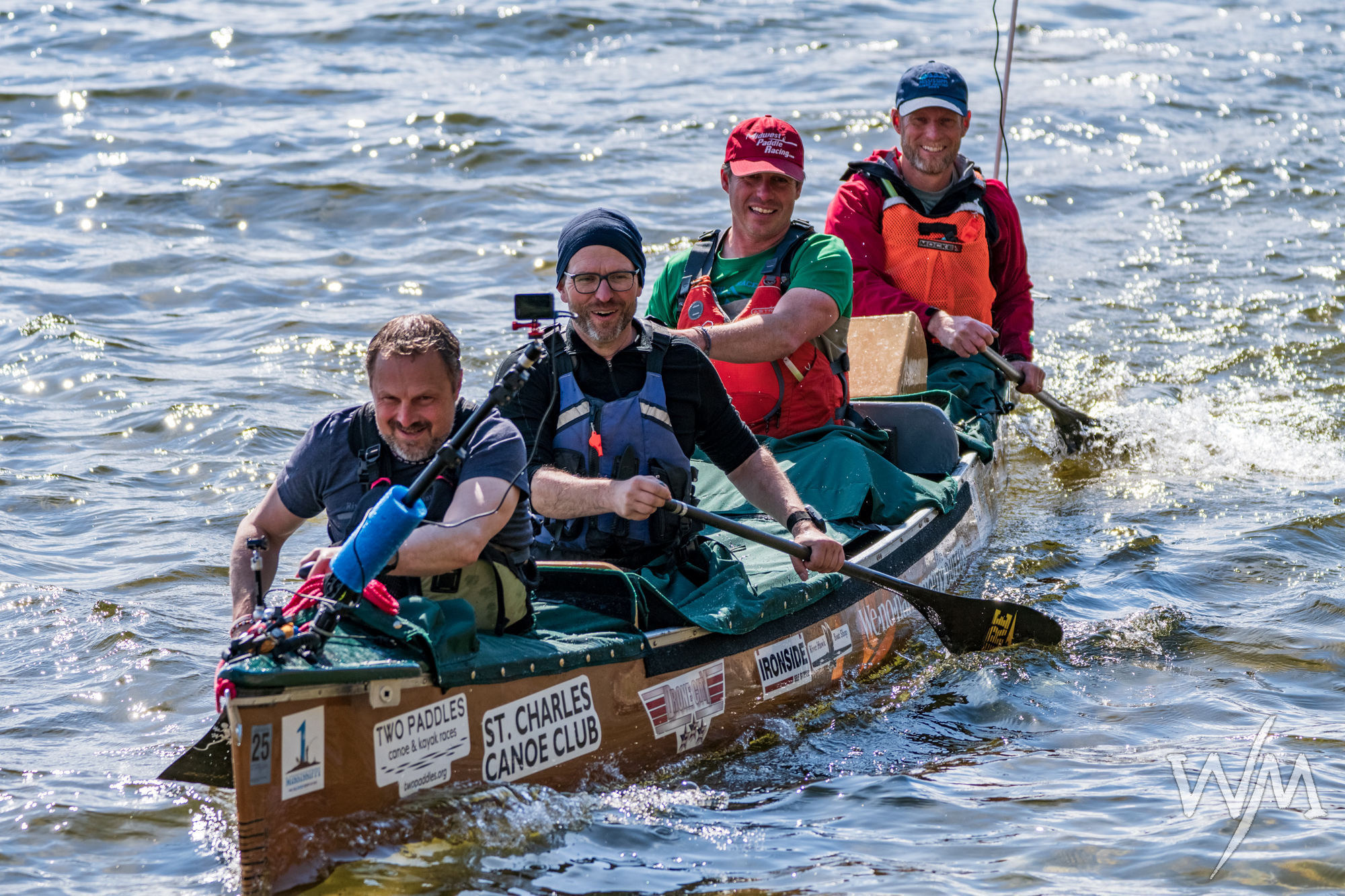
In 2023, the Mississippi Speed Record team was on a training trip near Memphis, Tennessee. They were preparing for their upcoming speed record attempt in May of that year. They had never heard of us, and we had only peripherally heard of them. That changed when they stayed at Dale’s house during their training trip. Dale is also a river angel, so he hosts paddlers as they come through the area. Dale recommended us to the speed record crew, and they reached out. You really couldn’t ask for a better resume for filming the Mississippi Speed Record trip, since we had just completed a thru-paddling documentary on the Mississippi River. The major difference with this project is that Dale Sanders completed his trip in 87 days; the Mississippi Speed Record crew was attempting to beat the current record of 17 days, 19 hours, 46 minutes. Things would be moving a little faster on this one.
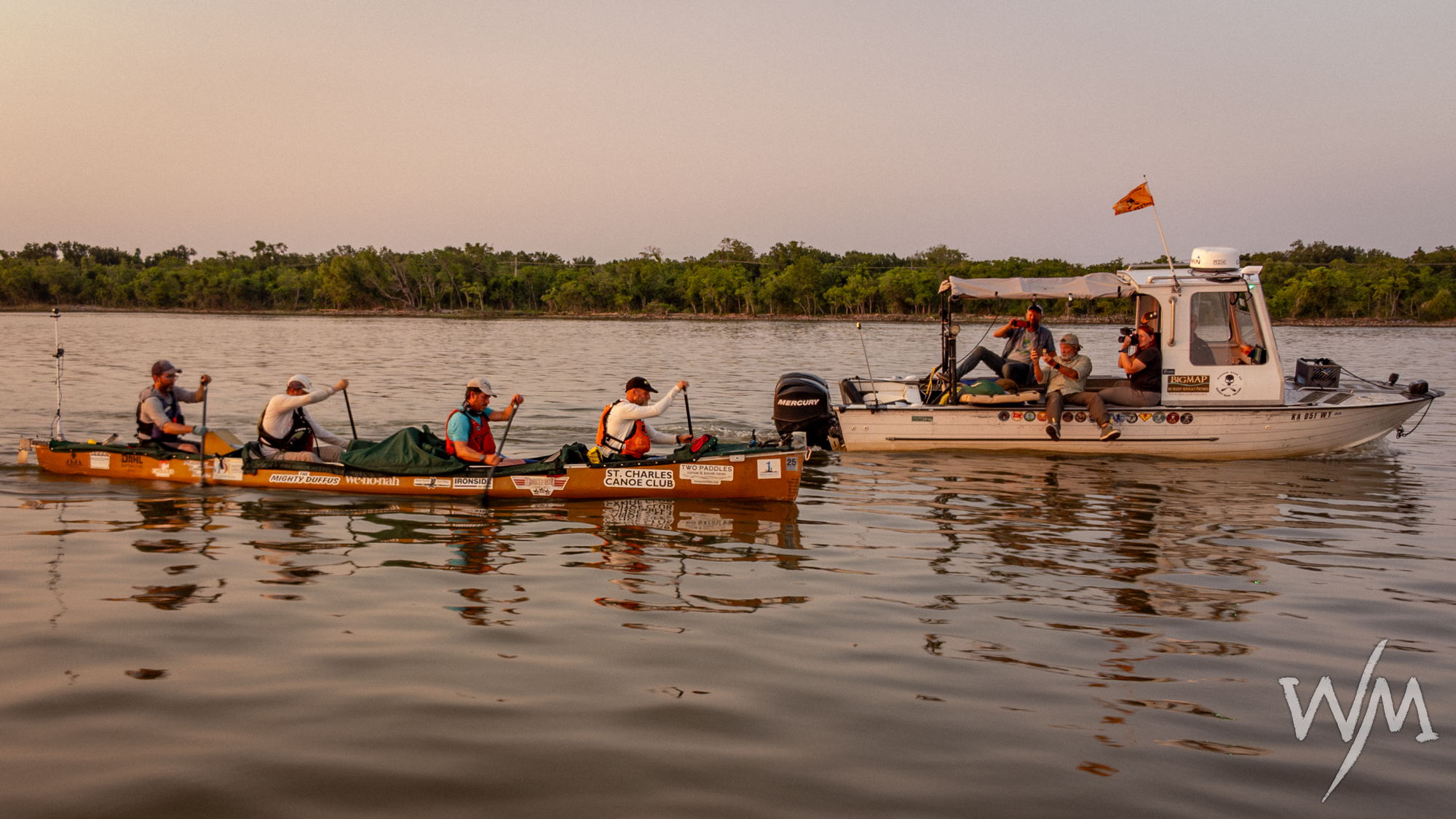
That meant that we would be able to be there for the entire trip. It also meant that we would get to see the whole Mississippi River, instead of just a few sections throughout the summer. There was no way we’d be able to keep up with this team in a canoe, so all of our traveling would be done from a motorized safety boat or driving along the shore.
Their speed record attempt started at 6 am sharp at the Mississippi Headwaters next to the iconic post that marks the start of the river. Immediately, things were much more intense than when the Greybeard crew started. We followed them from the land the best we could. Going to every bridge and river access point along the narrow winding river. Like we said before, it’s remote. So we couldn’t always get to the river, drones helped us see it at times when we could get close. We had some help from Drone City LLC with the drone footage as well.
They completed the headwaters in a fraction of the time that it took the Greybeard crew and they were on Lake Winnibigoshish by about 1 am. Again, there was a fishing boat to shadow the team across the massive open water. Lake “Winnie” is notorious among Mississippi Thru-Paddlers. The waves can get very big and dangerous, especially this time of year when the water is ice cold. The ice had literally finished melting on the lake only hours before they got there.
One of the moments that we will never forget is sitting on the fishing boat in the middle of the lake at 1 am, waiting for the paddlers to arrive. It was a chilly May night, but the stars were crystal clear, the water was glass calm, and we could see the stars reflecting in the water. Making it feel like we were floating in space. Way off in the distance, there was a thunderstorm flashing lightning over Canada. It was silent around us, except for the loon calls, which were coming from every direction.
The next couple of days were a blur because we were operating on very little sleep. The paddlers kept the canoe moving 24/7, so we had to keep up all hours of the day and night. As we moved south along the river, we found ourselves in more and more small towns. The civilization grew until we reached the major metropolitan area of the Twin Cities. It was nighttime again when they reached Minneapolis and it was raining. This was the first place where crowds started forming on the banks and during the portages. The locals were very excited to witness this speed record attempt. It’s also where the paddlers completed their last portage on the Mississippi River. Before Minneapolis, there had been a series of dams that they had to portage around. After the Twin Cities, they would be going through locks.
It was a changed river after that. The locks create huge pools of water that allow barge traffic to move up and down the river. Without those locks, the barges wouldn’t be able to go nearly as far north as they do. The locks also allowed the crew to have a safety boat, which meant that we could document the trip from the water the rest of the way. When we were filming Greybeard, we did most of our filming from the land after the headwaters. This view from the safety boat was going to give us a totally different perspective of the river, and we could be there the whole time.
The barges with their massive size ruled the river. That didn’t stop recreational users from getting out on the water, though. The barge captains just like to know where the small boats are. That was one of the jobs of the safety boat: to stay in constant communication with barge traffic.
Soon, we were in the Driftless Region of the Mississippi River. The river was changed again as the river banks rose up into huge hills. Somehow, the glaciers of the distant past missed this area, so the land was never flattened like most of Wisconsin and Minnesota. That made for some really dynamic landscapes, like you might expect to see further west in the country. Lake Pepin is one of the most dramatic areas of scenery in the Driftless Region. It’s the largest natural lake on the Mississippi River. (Lake Winnie is a dammed reservoir.) Just like Lake Winnie, the waves and wind can be a formidable challenge for paddlers, and that’s what they found when they went through. Conditions that would land-lock a casual thru-paddler didn’t stop the speed record team. They powered through the wind and waves all day to get across Lake Pepin.
The next few days were a pattern of paddling through a pool, then going through a lock. There are something like 27 lock and dams on the Mississippi River. The last one was near St. Louis, and it was an exciting moment for everyone when they made it through there. As one of the paddlers, Wally Werderich, put it, it was a feeling of excitement and also trepidation. Finishing the locks meant that the barge traffic would only increase.
The river changed again. We were entering the undammed southern part of the Mississippi River. This is the river that really earned the nickname “The Mighty Mississippi.” The river got even wider and more powerful. From there to the Gulf of Mexico, you might expect the river to be very developed with all the industry and metropolitan areas along the river. While there certainly is plenty of development, there are also large stretches of water that are just as remote as it was in Northern Minnesota. These parts of the river almost feel forgotten and unchanged. They juxtapose the heavily manipulated areas of the river and offer periods of calm and undisturbed scenery. The current picked up, too, which made everything a little easier on the paddlers. A thru-paddler said that the first half of the Mississippi takes about 2/3 of the time, while the last half takes 1/3 of the time because of the increased flow.
Somewhere around here, we left the Midwest and entered the South. We weren’t sure where exactly that happened, but the people, scenery, and climate changed, and it truly felt like we were in a different part of the country.
The sleep deprivation had been taking a toll on everyone for a while, but this far into the trip, it was getting every worse. Pair that with dozens of barge encounters at night, and it got overwhelming at times. Seeing a barge during the day is impressive; its sheer size is hard to comprehend until you see it in person. Seeing a barge at night is like something out of a sci-fi movie. In the pitch black darkness, you’ll see a single bright light, like the eye of a cyclops, scanning the river. You know that light is attached to a massive barge that could squish you like a bug hitting a windshield. They move surprisingly quietly and quickly, too.
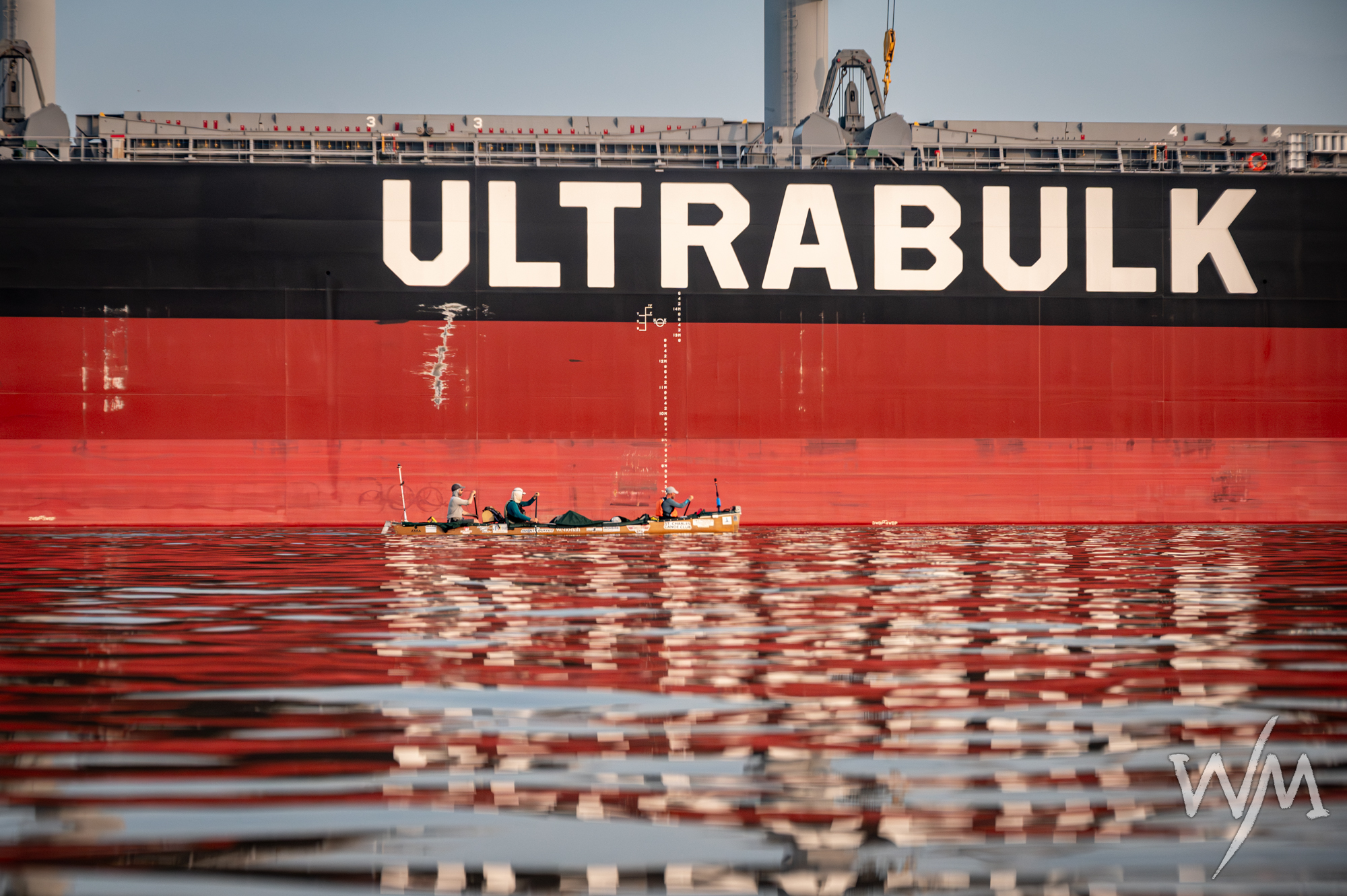
The Mississippi took us through some of America’s iconic cities, Saint Louis, Memphis, and New Orleans. Seeing them from the water is a perspective most people never get to see. Especially the St. Louis Arch! After New Orleans was a section of the river that has been called “Cancer Alley”. A long section of completely industrialized riverbank on both sides. The barge and ocean-going vessel traffic was intense, and we went through there at night. By then, we had experienced professional pilots on the support boats to help navigate through all the industrial traffic. Those guys knew the lingo and a lot of the pilots operating around there. It was fascinating listening to them communicate over the radio. They were speaking English, but it was almost like a separate language for Southern Mississippi River pilots.
If the barges at night were like a sci-fi movie, then going through Cancer Alley at night was like being in the film “War of the Worlds”. There were strange lights, noises, and smells in every direction. We were just these tiny little vessels in a world of giant machines.
Then the river changes again. The last section of the Mississippi River was surprisingly calm and remote again. We left the industry behind, only seeing occasional barges and ships going up or down. We were in the climate and ecology of the Deep South now. When we started the trip, it was still early spring in northern Minnesota. There were still patches of snow on the ground, and the ice just melted from the lakes. Just 16 days later, we had traveled into a very hot and humid climate. It was always summer down here as far as we were concerned.
It was the middle of the night when the paddlers finally reached Mile Marker Zero. (The official end or beginning of the Mississippi River.) Just like with Greybeard’s trip, there was a large group of people, about 30 strong, on boats following the paddlers to the end of their journey. Spotlights from three or four different boats illuminated the Mile Marker. When they reached the marker, a roar of cheers erupted from the boats. It was pitch black in every direction. We were in the middle of the Mississippi River, with water rushing by all around, yet the world stood still for all of us to enjoy that moment. It was surreal. The extreme sleep deprivation may have had a role in the euphoria that we all felt in that moment as well.
About a year and a half later, we had a 90-minute documentary about the whole trip called “Mississippi Speed Record: An Epic Adventure.” The film is now available on Amazon Prime, as well as from our website, WildernessMindset.com
While we haven’t paddled the Mississippi River, we have seen much of it over our two documentary projects. One thing that is constant about this river, and many natural wonders, is that it is always changing. When someone mentions a place, a certain image comes to mind, but the Mississippi River is a lot more than one thing. The truth is that it’s both a narrow winding creek in the north and it’s a massive waterway that drains half the country in the south. It’s both a remote, scenic wilderness and an industrial corridor worth billions of dollars. As that old saying goes, you never step into the same river twice. It’s not the same river, and you’re not the same person.
Wilderness Mindset is an outdoor production company run by husband and wife team Alex Maier and Amy Robin. And their two dogs, Minnow and Echo.
Watch Mississippi Speed Record: An Epic Adventure on Amazon here.
Visit the Wilderness Mindset Website
Follow Wilderness Mindset on social media,