
Beyond the Status Quo: Farmers and the River Need a Stronger, Bipartisan Farm Bill
Open the newsletter
The House of Representatives passed the Farm, Food, and National Security Act of 2026 on Thursday, April 30. It passed after a chaotic path, by a relatively small margin, 224-200. From what we've seen and heard so far, this could present an opportunity to push the Senate toward a more bipartisan farm bill with better outcomes. Meaning, there is still a critical opportunity for you to engage and support the land, people, and water of the Mississippi River.
Why is the Farm Bill so Important?
Farmers and our food system have faced severe challenges in a year of intense market volatility, extreme weather disasters, and a drastically reduced federal workforce. Congress must take decisive, bipartisan action to move us from crisis to abundance.
We urgently need a new Farm Bill that is comprehensive, robust, and cares for families, farmers, and the Mississippi River. The House of Representatives’ text fails to meet these critical needs. That’s why we joined more than 300 other organizations, representing millions nationwide, in urging the House to reject the Farm, Food, and National Security Act of 2026 as passed by the House Committee on Agriculture before it went to the floor for a vote.

The Critical Connection Between Farms and the River
What happens on farm fields doesn't stay there. Soil, fertilizers, and chemicals that wash away from fields often end up in streams, rivers, and ultimately the Gulf. That's why the Farm Bill is so important to anyone who cares about clean water and healthy rivers.
The Mississippi River’s watershed overlaps significantly with regions where intense agricultural and livestock operations take place. Excess fertilizer from agriculture and other chemicals from our cities run off into our rivers, leading to "hypoxia" or dead zones in local ponds, lakes, and beaches. Compounded across the entire River watershed, this results in giant dead zones, like the one in the Gulf. Programs and funding in the Farm Bill are crucial for reducing pollution by giving farmers and ranchers access to tools that support healthier farms and healthier rivers.
For example, these conservation programs can support:
- Crop Systems: Systems that keep roots in the ground, leading to soil with increased organic matter and increased capacity to store flood water.
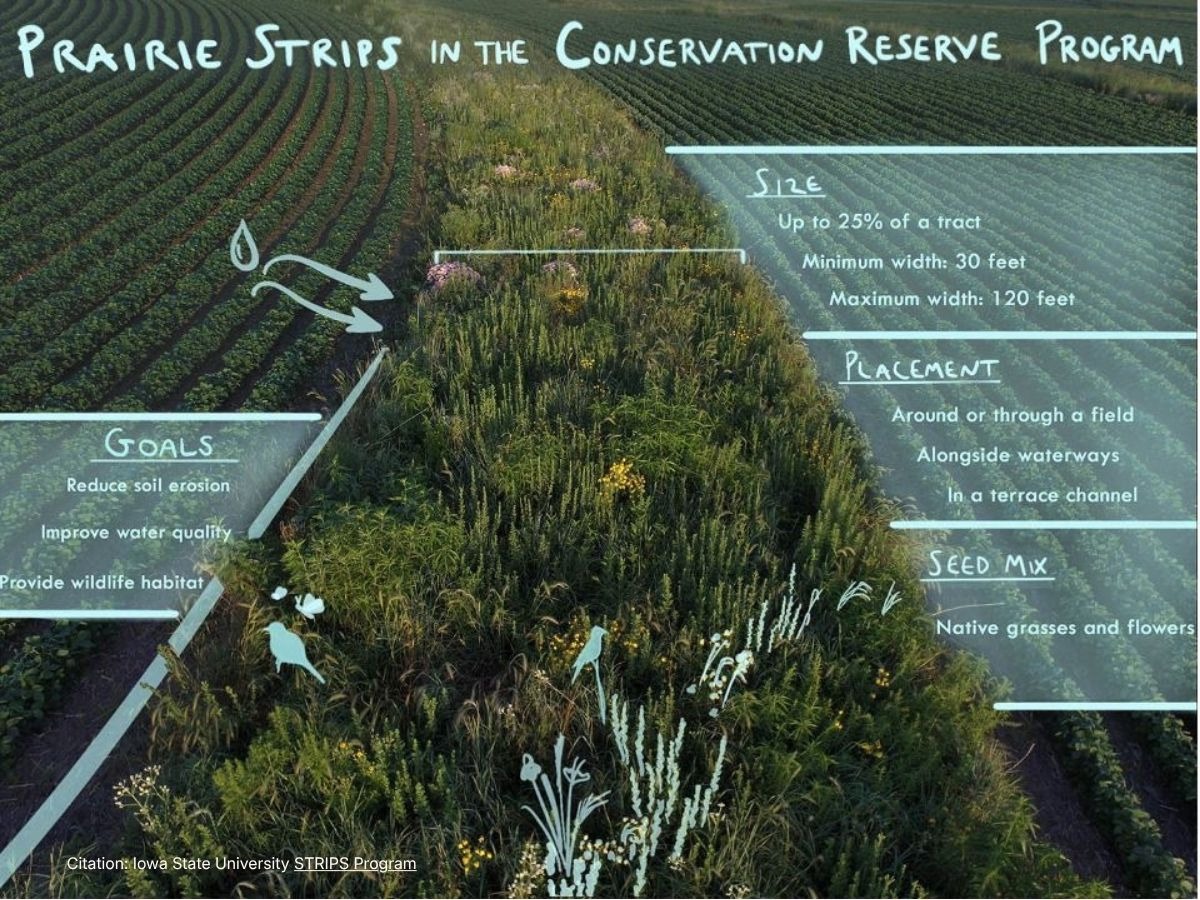
- Habitat Strips: Riparian buffer strips or perennial prairie strips that provide habitat for native plants and animals
What Happened so Far in Congress, and What Happens Next?
The House version still makes unnecessary changes to proven, popular, and crucial conservation programs that would further limit how many farmers can take advantage of these resources.
Our member organizations, and we are still reviewing many agricultural priorities. Some notes of importance:
- While there were wins for wildlife corridors as positive steps, concerns remain about cuts to conservation funding and the lack of robust investments for small and mid-sized farmers.
- There was a successful removal of several anti-clean water provisions that we, our partners, and our members fought against. Although this doesn’t mean we won’t see the language again, and we are still tracking other bad provisions that did not come out of this version.
- It also fails to provide funding for local food programs that would build stable domestic markets for farmers, foster local supply chain resiliency, and revitalize both urban and rural communities.
Benefits to the Mississippi River:
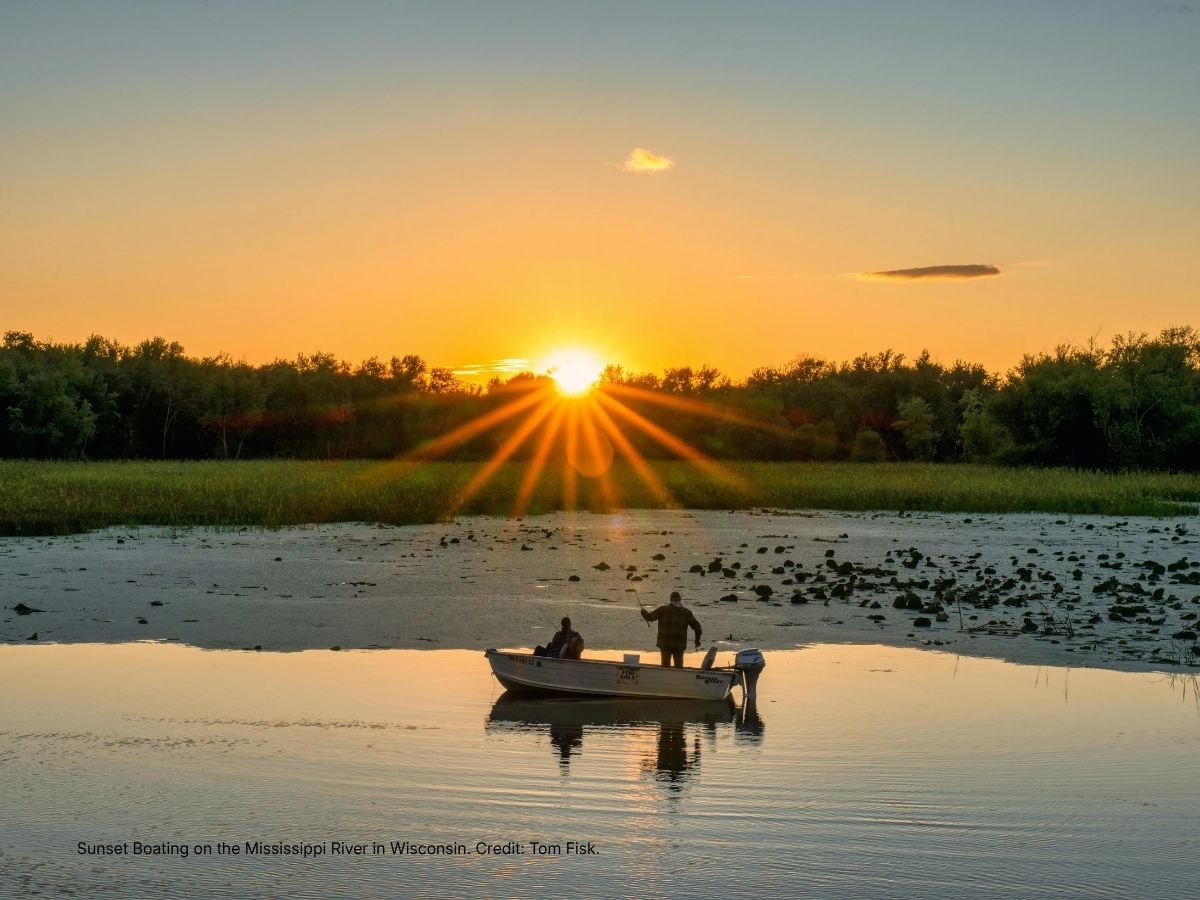
Conservation practices have a high return on investment (ROI) for farmers and communities, with added benefits to watersheds of mitigating floods, filtering pollutants, and maintaining habitat for recreation and tourism. The per-dollar ROI on CSP is nearly $4 from benefits such as reduced erosion, increased productivity, and habitat creation for hunting and fishing.
The bottom line, farmers depend on the Farm Bill’s Conservation programs to make their farms resilient and productive. We now look to the Senate to address these gaps and ensure a final bill that fully supports producers and rural communities.
Receive informative blogs, key updates, and ways to make a difference directly in your inbox by joining the River Citizen community today.
If you are interested in learning more, the following organizations have shared responses and will be updating their deeper analysis in the days and weeks to come, but here are their press reactions:
- https://www.nwf.org/Home/Latest-News/Press-Releases/2026/4-30-2026-House-Farm-Bill-Advances-With-Wins-Setbacks (NWF)
- https://sustainableagriculture.net/blog/comment-nsac-responds-to-house-farm-bill-passage/ (NSAC)
- https://farmland.org/blog/aft-statement-on-house-farm-bill-passage (AFT)
- https://www.nrdc.org/reaction/house-farm-bill-fails-farmers-and-rural-communities (NRDC)
- https://www.audubon.org/press-room/audubon-applauds-house-farm-bill-support-voluntary-conservation-programs (Audubon)

Marie Risalvato
Policy Manager, One Mississippi